
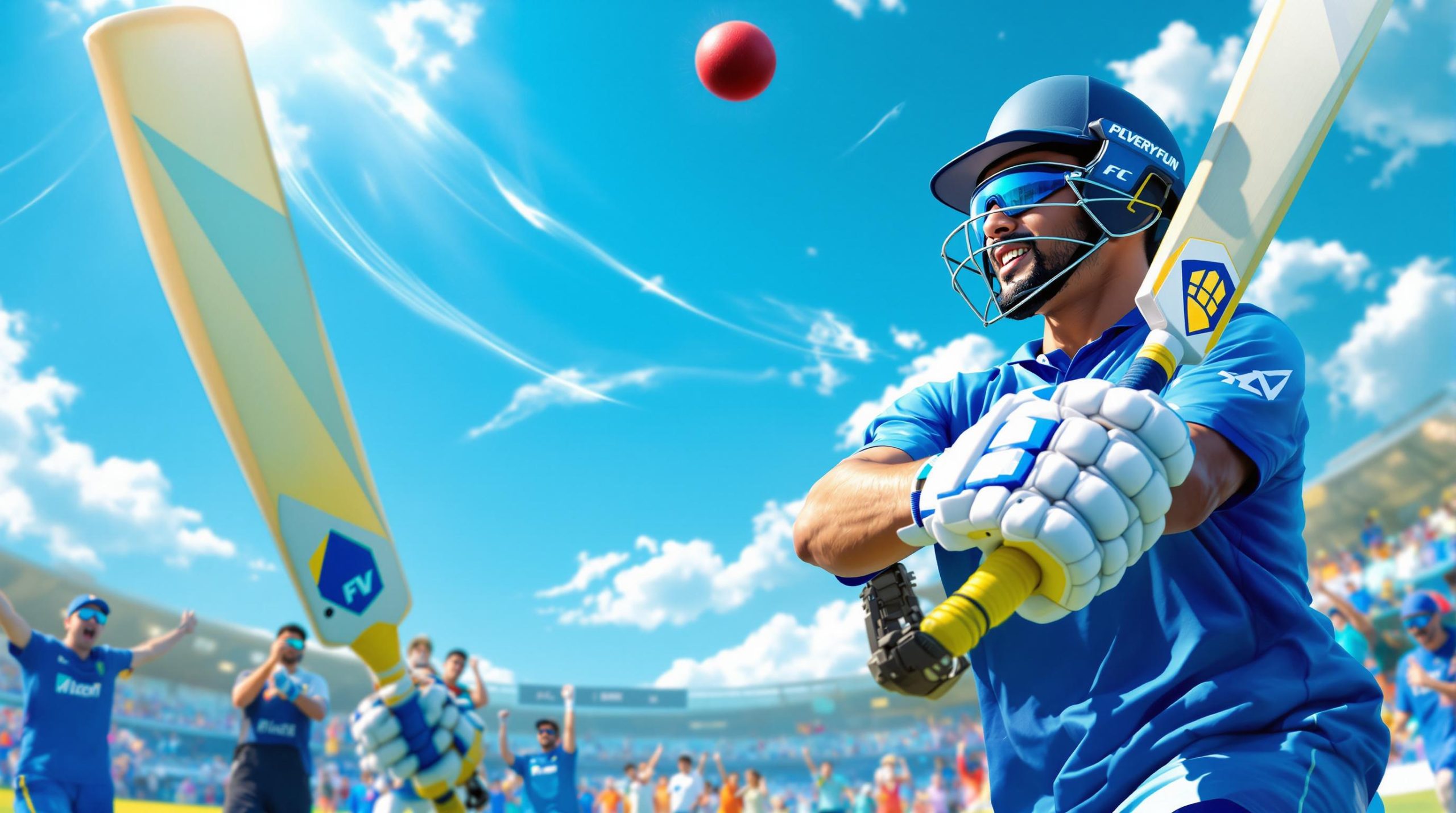
Blind cricket is a version of cricket designed for visually impaired players. It uses a sound-based ball, adjusted rules, and specific player classifications (B1, B2, B3) to ensure fair play. Originating in 1920s Australia, it has grown into a global sport with international tournaments and professional opportunities in countries like India, Pakistan, and England.
Key points:
- Ball: Larger, with rattles for sound.
- Rules: Modified for safety and fairness.
- Player Categories: Based on vision levels (B1, B2, B3).
- Global Reach: Governed by the World Blind Cricket Council (WBCC), with local and international leagues.
- Benefits: Improves mobility, teamwork, and confidence.
Challenges include inconsistent funding, limited facilities, and low public awareness. You can help by volunteering, fundraising, or promoting the sport online. Blind cricket continues to grow, offering life-changing opportunities for visually impaired athletes.
How to Play Blind Cricket?
History and Beginnings
Blind cricket began in Australia in the 1920s at schools and institutions for the visually impaired. Players modified traditional cricket by using auditory cues instead of visual ones. These early games laid the groundwork for techniques and methods that made the sport playable for individuals with vision loss.
Growth Beyond Australia
By the 1930s, other cricket-playing nations started adopting the Australian approach. Local institutions adjusted the game to fit their own needs, helping it gain traction globally. As these informal versions grew in popularity, the need for consistent rules became clear, prompting the creation of official organizations.
First Official Organizations
With the sport’s growing appeal, early governing bodies stepped in to standardize rules and classifications. They introduced consistent guidelines for playing conditions and developed systems to categorize players based on their level of visual impairment. This structure became the backbone of blind cricket’s international competitions today.
Changes in Rules and Equipment
As blind cricket gained traction worldwide, adjustments to equipment and rules became essential to accommodate visually impaired players.
Sound-Based Ball Design
One of the most notable changes was the redesign of the cricket ball. Instead of the traditional leather ball, blind cricket uses a ball equipped with sound features. These auditory cues help players track its movement using their hearing, offering a completely different way to experience the game.
Key Rule Adjustments
The rules of the game were also tailored to align with these equipment updates. While specifics can differ by region, common changes include adjustments to how the ball is bowled, methods for scoring runs, and alterations to field dimensions. These tweaks ensure the game remains safe and fair while keeping its competitive spirit intact.
These updates have played a major role in shaping blind cricket, making it more accessible and engaging for players.
sbb-itb-3e44755
International Growth
Blind cricket has grown from local games into an international sport, thanks to community-driven efforts and the establishment of new organizations. This expansion has paved the way for global collaboration and recognition.
World Blind Cricket Council
The World Blind Cricket Council (WBCC) plays a key role in unifying the sport. It ensures consistent rules and standards while encouraging participation across different countries. This coordination has been crucial in shaping blind cricket on a global scale.
Major World Competitions
International tournaments now bring together teams from around the world, offering a platform for high-level competition. These events have become highlights of the blind cricket calendar, helping to connect nations and elevate the sport’s reputation worldwide.
Local and National Leagues
Grassroots and national leagues have turned blind cricket into more than just a recreational activity. Regular competitions help discover and develop talent while building stronger community support. These leagues serve as the backbone of the sport, creating opportunities for players to grow and compete at higher levels.
Blind cricket’s steady rise across these competitive tiers indicates a promising future, with new possibilities for players and teams on the horizon.
Blind Cricket Today
Blind cricket has grown into a competitive sport with structured formats like T20 and One Day International (ODI) matches. These formats mirror popular versions of mainstream cricket but include specific adjustments to suit visually impaired players.
Advances in technology have significantly improved the sport’s equipment, especially the ball. Modern sound-based balls now offer better audio clarity and durability while retaining the rattling mechanism that helps players track movement. Some newer designs even use electronic components to enhance audio feedback during games.
Professional opportunities have expanded in cricket-playing countries such as India, Pakistan, and England. These nations now host semi-professional teams with year-round competitions. Players can pursue structured careers, supported by coaching and performance-based pay, allowing them to compete at higher levels.
Training methods have also seen improvements. Teams now have access to specialized coaching and support staff, including vision classification experts and mobility trainers. This ensures players can excel within their specific categories.
Major tournaments have become more sophisticated, featuring professional broadcasting, sponsored teams, and attractive prize money. These enhancements have drawn more media attention and corporate sponsorship, helping to solidify the sport’s growth and future potential.
Effects and Next Steps
Player Benefits
Blind cricket helps players improve spatial awareness, mobility, and build stronger social connections by relying on auditory cues. Playing in a team encourages supportive relationships, which can help reduce feelings of isolation. On top of that, competing in matches strengthens mental resilience and boosts self-confidence – skills that carry over into everyday life.
Current Problems
Despite the positives, blind cricket still faces some serious hurdles. Funding is inconsistent, making it tough for teams to afford equipment, facilities, and travel. On top of that, there aren’t enough training centers, transportation options, or skilled coaches to meet demand. Public awareness is another issue – outside of traditional cricket circles, the sport doesn’t get much attention, which limits participation and sponsorship opportunities.
Growing the Sport
To tackle these challenges, the blind cricket community is taking action. Efforts are underway to improve coaching, provide better access to equipment and facilities, and establish more local leagues. Partnerships with mainstream cricket organizations and increased media coverage are helping raise the sport’s profile, attracting more sponsors and players.
Conclusion
Blind cricket, which began in 1920s Australia, has evolved into a global parasport, thanks to sound-based equipment and adjusted rules. It has a profound impact on players, improving spatial skills, mobility, and fostering strong social connections.
However, the sport still faces hurdles like inconsistent funding, limited facilities, and a shortage of coaches. Governing organizations are working to address these issues by expanding training centers and coaching opportunities, but broader community involvement is essential.
You can support blind cricket by:
- Volunteering with local clubs
- Organizing fundraisers for equipment and facilities
- Raising awareness through social media and community events
- Advocating for inclusive programs in mainstream sports clubs
The future of blind cricket depends on advancements in equipment, more competitions, and increased public awareness. With growing efforts from governing bodies and dedicated volunteers, the sport is poised for further growth.
To get involved, visit your national blind cricket association’s website or reach out to local visually impaired sports organizations for opportunities.